Wednesday, June 22, 2016

Bucatini 6/21/2016

Bucatini
Jonah Crab, Slow Roasted Cherry Tomatoes, Piri Piri Chili

House made bucatini (00 flour, semolina flour, durum flour, water) is tossed with a sauce made from garlic and piri piri chili bloomed in crab oil (olive oil, crab shells), crab stock (crab bodies, mirepoix, garlic, tomato paste, marsala wine, bay leaf, thyme, water), and tomato water (pureed tomatoes, mixed with chopped basil and drained through a cheese cloth). Also tossed with the pasta is Jonah crab meat, confit fennel, dehydrated cherry tomatoes, chopped tarragon, chopped capers, butter, lemon juice, and olio verde. The pasta is topped with a garlic breadcrumb.

Allergies: Gluten, Garlic, Shellfish, Dairy

Wednesday, June 8, 2016

New Menu Items 6/9/2016

Roasted Sugar Snap Peas
Speck, Hazelnuts, Benne
The Peas are roasted in the pizza oven with olive oil, salt, and lardons of speck (smoked prosciutto). Once cooked they are tossed with olio santo, and then topped with benne seeds (an heirloom relative of sesame).

Shishito Peppers 
Garlic Breadcrumb, Bottarga
Shishito peppers are a mostly mild and sweet pepper, however about 1 in every 20 is infact spicy. They are fried, tossed with maldon salt and lemon juice, then topped with garlic breadcrumb, and bottarga (salt cured and dried mullet roe). 

Pork Shoulder al Latte
Milk Braise, Stone Fruits, Foraged Mushrooms, Garlic Scapes
Pork shoulder is portioned into 8oz pieces, brined, then braised in milk (onion, ginger, garlic, black pepper, coriander, bay leaf, lemon, and thyme). The sauce is then reduced. The pork is grilled to order, heated through in the oven, and then topped with some of the reduced braising liquid. Also on the are stonefruit prepared three ways, raw, roasted, and pickled (rice wine vinegar, espelette, pimenton, olive oil, sugar, water). Mushrooms cooked in browned butter, Farro cooked in milk. Grilled garlic scapes, and buttermilk solids (buttermilk reduced until dry and caramelized) cooked with Mahlab (dried sour cherry pits). 

Wednesday, May 25, 2016

2015 Regaleali Leone D’Almerita $10/$40


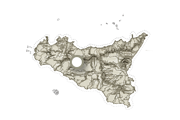
Where: Sicily, Italy
Who: Alberto Tasca D’Almerita
What: Catarratto (52%), Pinot Bianco (19%), Sauvignon (15%) and Traminer Aromatico (14%).
Tastes like: Structured white with nice body and floral aromatics. No oak trees were harmed in the making of this wine.
What to pair with:


It is the quintessence of the aromatic freshness of the white grapes grown in the high hills, at an altitude up to 900 metres above sea level: mainly Catarratto, with Pinot Blanc grapes for structure, Sauvignon Blanc (for aroma and acidity) and Traminer (for aroma). A lion as symbol of the history of the family, for a wine with an impressive aromatic intensity and pleasantness.

Eight generations of our family are linked to two extraordinary places which are part and parcel of Sicily's history: the Regaleali estate which now stretches over 500 hectares at the very centre of Sicily; and Villa Tasca (formerly Villa Camastra) in Palermo, heart and soul of the Sicilian capital's social and cultural life in the late 19th century. Tasca counts have always spearheaded a can-do culture, being the first to introduce any innovations in farming technology and cultivation techniques.
From the late 19th century through the early years of the 20th, Regaleali upgraded and specialised, succeeding in making itself stand out from the under-developed region around to become a model agricultural business. From the mid-20th century onwards, the family firm grew and developed, inventing, producing and distributing the wealth of this land and spreading its values: solidity, consistency and simple hard work. Once established as a wine-growing and -producing concern, the long history of Regaleali's Rosso del Conte, Nero d'Avola reserve and chestnut-aged Perricone began. And the company's vocation for exalting Sicily's culture and land became clear. The immense success of Regaleali Bianco – Sicily's first true expression of a terroir-linked wine – crowned our achievements.

2015 Encostas do Lima Vinho Verde Rosé $9/36


Where: Ponte de Lima, Minho (Vinho Verde wine region), Portugal
Who: Coop:  Cooperativa de Ponte de Lima
What: 75% Souzão, 15% Borraçal (which is also known as Caino Tinto) and 10% Espadeiro
Tastes like: Fruity, strawberries, cherries and red berry fruits--quite dry despite the “off dry” designation. Slightly effervescent
What to pair with: Summer


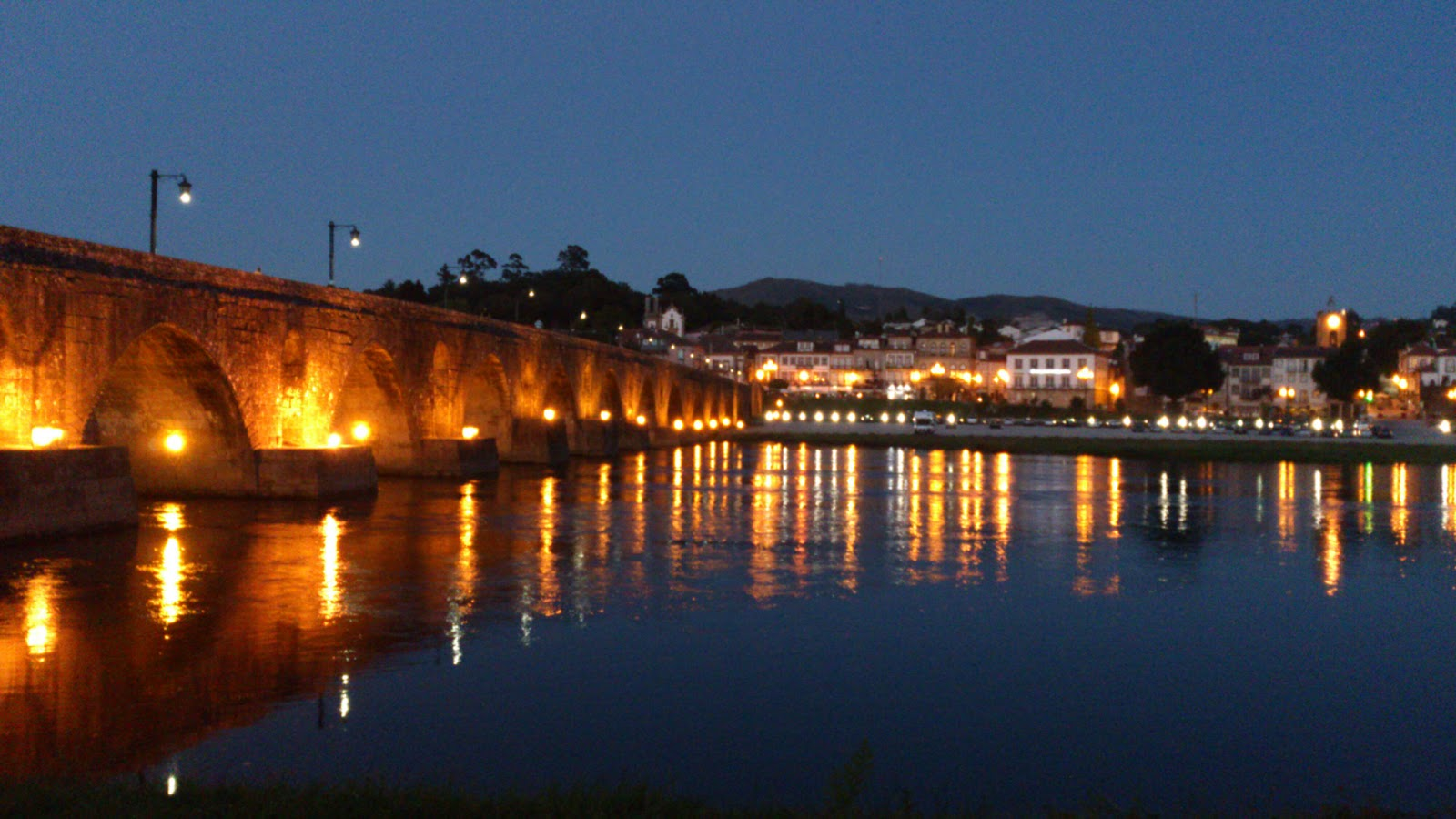
Sorry guys, there is literally zero information available online for this wine. But check out the town it comes from! Ponte= Bridge Lima= a river. It’s the bridge over the river Lima, the second most northern river in Portugal (the most northern is Minho, which is the border with Galicia).  

Saturday, May 21, 2016

Soda Garnishes

Hi team,

I want to clarify both the life cycle of garnish fruit, and the appropriate garnishes. Servers cut fruit every day for the service stations, but don't use a ton of it, so at the end of the evening, that fruit should be given to the bar so that they can use it the next day and not have it go bad or get reused over and over again.

Additionally, garnishes for n/a beverages are as follow:

Lime: Diet Coke, Soda Water, Tonic, Soda Cranberry
Lemon: Iced Tea, Arnold Palmer
Nothing: Coke, Lemonade, Sprite, Rootbeer, Gingerale

There's only a need to modify the ticket if your guest would like something different. Please not the difference between a coke and a diet coke: this should be the non-verbal cue for refill--if it has a lime, it's diet. Obviously still check with the guest or the server if it's not your table, but it should make it easier. 

Friday, May 6, 2016

2013 Scagliola Barbera “Mati”

2013 Scagliola Barbera “Mati”

Where: Piedmont, Italy (Calosso Province of Asti at 400 metres)
Who: Scagliola
What: 100% Barbera
Tastes like: Juicy unoaked red. Lots of cherries and other red fruits. Very fresh, very drinkable
What to pair with: Awesome on it’s own or with lighter meat dishes.

The Scagliola estate is located on a hill at San Siro in Calosso, a small village in southern Piedmont, on the last hills of Monferrato, on the edge of the Langhe. A bit of sand, some layers of marl and a good dose of limestone characterize the soil. The estate is run by the brothers Maggiorino and Mario Scagliola and was started by their grandfather in 1945.
Mario is in charge of the winery. The previous generations were growers selling their wines in bulk. From 1980 onwards, the Scagliola brothers started investing in facilities to bottle Moscato wines and subsequently added rotofermenters for red wines. The facilities are state of the art and new buildings and machinery are added continuously to allow for growth.
Maggiorino is in charge of the vineyards. The winery currently cultivates 28 hectares of Barbera, Moscato, Brachetto, Cabernet Sauvignon, Chardonnay, Dolcetto and merlot grapes.

Barbera Mati
100% Barbera from 30 year old vines
Is "Mati" the dog or the little girl? Short for Mathilde, it is frequently used as a name for either in Piedmont. Like either "Mati", this barbera is young and energetic. Made in stainless steel with a small percentage of the Frem (aged in large Slavonian oak barrels), its fresh fruits and zestiness match well to everyday foods and snacks.
Around 2500 cases produced.

2015 Ostatu Blanco

2015 Ostatu Blanco

Where: Rioja Alavesa, Rioja, Spain
Who: Iñigo Saenz de Samaniego
What: 90% Viura, 10% Malvasia
Tastes like: Creamy medium body white with nice acidity. Lots of citrus and slightly herbaceous. No oak
What to pair with: Chicken, rabbit, pesto, cheese.

Bodegas Ostatu is a family winery located in the heart of the Rioja Alavesa region in the town of Samaniego. The Saenz de Samaniego family has been in the area for many generations. The winery dates back over two hundred and fifty years. The vineyards, which are protected by the Sierra de Cantabria range, are composed of chalk and clay and the average age of the vines is 50 years. The estate is comprised of over forty hectares of vines located in and around the town of Samaniego. The poor soils and the unique location at the foot of this mountain range together create a special microclimate that is very favorable to the Tempranillo grape.