Sunday, July 2, 2017

Bar & Cocktail Updates

NEW BUTTONS

To streamline the ordering process, I’ve made a couple of updates to the cocktail page in Posi.  The left hand column is our current cocktail list, the middle column are old cocktails that we can still make, and then there’s the smaller, right hand column that has previously been unused.  It’s usable now!  I added buttons for Negroni, Gin Martini, Mezcalrita, Mimosa, and Mimosa Pitcher (!!).  These have all been costed out so they are at a set price (no more asking the bar what to charge) and you can avoid endless memos (hooray fewer boops!).  Additionally, the bar and I settled on set house recipes for the Negroni and the Gin Martini so that we have a consistent cocktail every time.  

Negroni
1 oz Barr Hill
1 oz Campari
1 oz Punt e Mes
Stirred.  Rocks, orange swath.

Because Barr Hill has a more viscous texture, we opted for a drier style of sweet vermouth, hence the Punt e Mes.  If you simply ring in a Negroni, it will be plated on the rocks with an orange swath.  If your guest would like it up, down, no garnish, different vermouth, whatever, that is totally ok and we are happy to modify.  However, this set formula is how they will be made if you do not memo in any changes.

Gin Martini
2.25 Barr Hill
.75 Contratto Bianco
1 dash orange bitters
Stirred.  Up with a lemon twist

3 to 1 is my favorite proportion for a gin martini, and the Barr Hill and Contratto Bianco have some beautiful aromatics together.  The dash of orange bitters helps to dry it out, and a lemon peel just works so much better with Barr Hill than an olive would.  Again, however your guest wants to move things about is totally fine by us, but this is what you can expect by just ringing one in.

For any cocktail calls that don’t have a button on the screen, I’ve added a modifier called “$$COCKTAIL” that adds an additional $2 charge to the base spirit selected.  For example, someone wants a Pisco Sour.  You hit the Pisco button, hit the $$COCKTAIL modifier button, and then memo “Sour.”  This helps us more accurately price our cocktails for our guests and account for any additional spirits/ingredients (in this case, eggs ain’t cheap) we may need.  Continue to use the &SODA, &CRAN, etc. buttons for any call beverages.  Warning: This new button adds $2 to anything it’s attached to, so be careful not to accidentally mash it when you don’t need it.  


NEW MENUS


Finally, to make things a little bit easier on the bar and the person taking care of the 500’s, I’ve printed 6 menus that have the Cocktail/WBTG on one side and Bottles&Cans on the other.  You can now hand your guests a single menu and direct them to the Draft board.  These will live in the new (!!) menu holder located at the service pass.  

Thursday, June 22, 2017

Stewarded Wine: Inama Soave Classico by Chrissy Geddes

INAMA SOAVE

    It’s patio season!  And that means it’s time for crushable wine that compliments our cuisine.  When most people think of Italian wines, they are likely going to Nebbiolo and Sangiovese for reds, and Pinot Grigio for whites.  Obviously, there are many more varietals in the country, including my most recently discovered wine, Soave, made from the lesser known grape, Garganega (known in Sicily as Grecanico).  Garganega is a thick skinned grape, that is usually harvested late.  Some of the most common flavor characteristics include lemon, melon, orange zest, almond, and spice.  Let’s talk about the region!
    The Soave wine region is located in the province of Verona, in the northeastern Italian region of Veneto.  Though the region is not particularly large, it is one of the most densely planted areas under vine.  There are DOC and DOCG designations within the region.  Most Soave is still and dry, but more recently, a passito style has been granted its own designation as well.  All Soave wine is made up primarily of Garganega, but certain percentages of Chardonnay and Trebbiano may be blended in.  There are five types of Soave that are produced: Soave, Soave Spumante, Soave Colli Scaligeri, Soave Classico, and Recioto di Soave.  (The designation of “Superiore” can be added if the wine has been aged for at least 8 months and has been made from higher quality grapes).  Our wine is of the Classico kind.  Let’s discuss!
    The Italian government originally lineated the Classico zone in 1927.  It encompassed 2,720 acres.  The DOC was created in 1968, and was expanded over the years.  Nowadays, “Classico” Soave refers specifically to wine that is grown in the hills surrounding the original zone (surrounding the cities of Soave and Monteforte d’Alpone).  Because of this, it is commonly believed that the best Soave wines come from the Classico zone.
    Our wine is coming from Inama, a winery founded in the 1990s.  It all started with Guiseppe Inama in the 1950s.   After World War II, Soave had seen a lot of success in places like the US due to its affordability and “crushability”.  At one point, it was even more popular than Chianti.  Eventually, however, Pinot Grigio reigned supreme and became the most popular and widely known Italian white.  Guiseppe hoped to change this by gathering only the highest quality Garganega, and ultimately creating a wine that had the ability to restore prestige to the area.  He began by purchasing small plots of vineyards with hopes of shining the light back on the Soave region. For years, he oversaw the vineyards, produced wine, and then sold it to Wine Cooperatives.  Eventually, he was able to start his own family run winery.
    Today, the winery is composed of over 70 acres.  This third generation winery operates organically.  They believe that this results in better fruit.  They focus on traditional and minimalistic winemaking, and believe firmly in showcasing terroir.
    The 2014 Inama Vin Soave Classico is made from 100% Garganega.  The grapes are grown in volcanic soil containing high amounts of calcium, iron, and magnesium.  The wine is fermented in stainless steel vats, and then sees malolactic fermentation.  (This is when malic acid, a very tart flavor, is converted to lactic acid, which is much milder.)  It is aged for 8 months in stainless steel before being bottled.
    The color is light, almost a white gold.  On the nose, the wine is very floral, with hints of stone fruit.  The mouthfeel is round, but the body is not too heavy.  The palate shows a lot of minerality, a touch of citrus zest, and some of the classic bitter almond flavor.  Not too high in acid, but smooth and easy to drink.  I would love to drink this with the new rigatoni!


Stewarding Wine: Knoll, Gruner Veltliner, & Austria

Hi friends!  This past week, Emily Kantowski stewarded a bottle of the Knoll Gruner from the Wine BTB list.  What is stewarding you ask?  A wine stewarding program allows staff to purchase wine from their restaurant at a very small markup over cost for educational purposes.  Our policy here at The Pig is that you can steward 1 of any bottle on the wine list (with exceptions being few and far between, based upon the availability of the wine) for cost + 10%.  You are then also required to write a 1 page paper about the wine: your thoughts on color, smell, taste, pairings, as well as some back ground about the wine's history.  You have 1 week from the day you steward to get your paper back to me, and ideally you'll end up presenting your paper at premeal.  Pretty awesome, right?  Here's to education!  Below is Emily's paper she presented earlier this week at premeal.


"Austria is a landlocked Eastern European country bordered by Czech, Slovak Republic, Germany, Hungary, Italy, Switzerland, & Slovenia. Approximately the size of Maine, Austria has 123,500 acres / 50,000 hectares under vine which are located almost entirely in the eastern half of the country forming a backwards C-type shape. The vineyards are spread out through 4 major regions : Steierland, Vienna, Bergland Osterreich, and Weinlanfd Osterreich. Here we go down the sub region rabbit hole...Weinland Osterreich comprises two federal Austrian states Bergenland and (the one that's relevant to this presentation) Niederösterreich. Within Niederösterreich are 8 wine growing areas: Thermenregion, Carnuntum, Wagram, Weinviertal DAC, Traisenstal DAC, Kamptal, Kremstal DAC, & finally the Wachau, which is where the Emmeriech Knoll winery is located. A narrow valley with vineyards on both sides of the Danube river, the Wachau is one of Austria's most prized and established wine regions. The region is characterized by steep terraced hillsides based on mostly loess & gneiss soils. The region is focused on white wines with Riesling and Gruner Veltliner, the traditional grape of the region, leading the way.
   Gruner (a cross of Savignin & St. Geogener) from Austria is sparking consumer interest and Austria is filling the demands of wine drinkers globally with 47,000 acres/ 19,000 hectares devoted to the grape, this accounts for more than a third of the nation's vines. Gruner is a bit of a late ripener and commonly produces day bright, pale yellow wines.  The 2014 Knoll Gruner Veltliner Federspeil was a Medium bodied with bright acidity,  notes of Anjou pear, green vegetal, and a white pepper quality to it. The high acid and beautiful fruit make this a great wine to pair with food.
   The Wachau is one of the coolest regions in the country of Austria. Climatic influences include the confluence of several weather systems including cool air from the Waldveirtal forests of the northwest with warmer air coming from the east off of the Pannonian Plain. These factors create a continental climate with diurnal temperature variations that include a dramatic drop in temperatures at night. The Danube river moderates these factors but the valley has plenty of air and heat circulation which allow sugar and fruit flavors to develop in the wine while cool nights of the region preserve the acidity.
   Emmeriech Knoll winery in Unterloiben (growing site  in Wachau the rabbit hole) has been run by the family for 3 generations. Emmeriech and his wife Monika just handed over the reigns to their two sons Emmeriech III who handles the cellars & August who handles the vineyards.
All in all, a seriously delicious summer wine. So patio friendly!"

Tuesday, June 20, 2017

A few reminders about Patio Set up

Hi Team,

Recycling an old post here with several notes for 2017 (highlighted):


Our patio service stations are even more visible than the indoor ones, so we need to be extra careful with the set up. As follows:

The back station should be for clean things only:


In that station: 

- a box for roll ups (needs to stay there even if we are out of roll ups, as we bring roll ups back from tables after seating them and don't want the roll ups just seating on the rack.
- a box with "loosie" silverware. under the loosies: folded napkins for guests who need an extra, as well as folded clean kitchen towels! 2017 update: We've been using this one box for everything, but that slows us down (removing the loosies to get to roll-ups= not practical.)

- stacks of plates
- mise trays (not pictured)
- water pitchers (with the napkin folded over--not pictured)
- tray with glasses full of water. This is something we should be doing only during super rush hour. It doesn't look good, plus the water gets warm. I understand it needs to happen sometimes, but not always.

On the other hand, look what we've got!:


 Yep, that's an ice chest, full of ice (two buckets) and several water bottles with caps. The caps are re-used wine caps and should definitely not go to the tables. put them in the handy container to be re-used. Don't throw any out! Also, there is a bucket under the ice chest to collect the melted ice. Needs to be emptied at the end of the night, and checked again in the morning. This hasn't been happening as much as we'd hope. 

Now for the "other station":


This is where all the less clean things go. Please make it as neat as possible, and make sure we always have:

- Trash can on the left
- Recycling on the right (Update for 2017: we've successfully been putting the recycling can to the left of the trash can, I'm fine with that)
- a bus bucket and space for boards
- sanitizer and a container for torta jars. 
- one (or two) "in use" kitchen towels (on the right)
- one (or two) spray bottles
- a box for soiled linens
- a wine box with stack of check presenters, pens, extra printer paper, chili flake, S + P, any other things that float around. Into the box they go.

Also, one of these:
There is now one of these in every station. It should be self explanatory: it keeps signed receipts so that we don't loose so many, it also frees up more books to go to the tables. Do I even have to say this?: don't take these to tables!!

One more thing: please don't keep personal beverages in the patio server stations. A water bottle in the ice chest is fine, everything else should be in the inside station. It's hard enough to keep the space clean without a million starbucks cups. 

Happy Patio Season!


Thursday, June 15, 2017

New Dinner Menu Items: Rigatoni, Bone Marrow, Polenta Taragna

Menu Changes 6/15/2017

Rigatoni (86 Gnocchi)
House made extruded pasta (00, durum, semolina, water) tossed in a sauce made from guanciale (cured pork jowl), razor clams, fresh chick peas, and garlic scapes. Razor clams are native to New England, resemble a straight razor in shape; they’re a bit sweeter than other clams and are poached with garlic.  Garlic scapes are the flower of the garlic plant.  They grow out of the center of the bulb and taste like a cross between garlic and a green bean.  The sauce itself is made from the cooking liquid of the clams, garlic, aleppo chili, white wine, lemon, and butter. Tossed with parsley the pasta is then topped with toasted breadcrumbs.  
Allergies: Allium, Gluten*, Dairy*, Shellfish*

Bone Marrow (New Set-up)
The marrow bones (beef shin bones) are soaked in water for 48 hrs to purge them of any blood, then seasoned with salt and pepper and roasted in the pizza oven. When almost finished they're crusted with breadcrumb, and then garnished with pickled green strawberries (pickled in rice wine vinegar, white wine vinegar, sugar, and salt),, shaved fennel, shaved radish, fennel fronds, basil, and celery leaves.
Allergies: Gluten*

Polenta Taragna (New Set-up)
A variety of polenta with cracked buckwheat added to it, it is typically found in northern Italy, most notably around Bergamo and Valtellina. The buckwheat adds a definite toasty nutty flavor to complement the corn in the polenta.  The Polenta is cooked in water, then finished with olio verde and parmesan cheese. Also on the plate is a slow poached egg (cooked at 64 degrees celsius for 1 hour), and morel mushrooms, both pan seared and poached (white wine, white wine vinegar, marsala wine, orange zest, garlic, bay leaf, shallots). The mushrooms are tossed with english peas, seared confit-baby artichokes, garnishing the plate is a pea green pesto (pea greens, pine nuts, parm, pecorino, grapeseed oil), grilled pea greens, and ricotta salata.   The entire dish is gluten free.
Allergies: Dairy*, Pine nuts*-- Pine nuts can be omitted but the whole pesto would be left out. Remember that pine nuts are seeds and not all guests with nut allergies avoid them!

*Allergens that can be removed


Wednesday, May 24, 2017

2016 Encostas do Lima Vinho Verde Rosé

2016 Encostas do Lima Vinho Verde Rosé $9/36
 
Where: Ponte de Lima, Minho (Vinho Verde wine region), Portugal
Who: Coop:  Cooperativa de Ponte de Lima
What: 75% Souzão, 15% Borraçal (which is also known as Caino Tinto) and 10% Espadeiro
Tastes like: Fruity, strawberries, cherries and red berry fruits--quite dry despite the “off dry” designation. Slightly effervescent
What to pair with: Summer


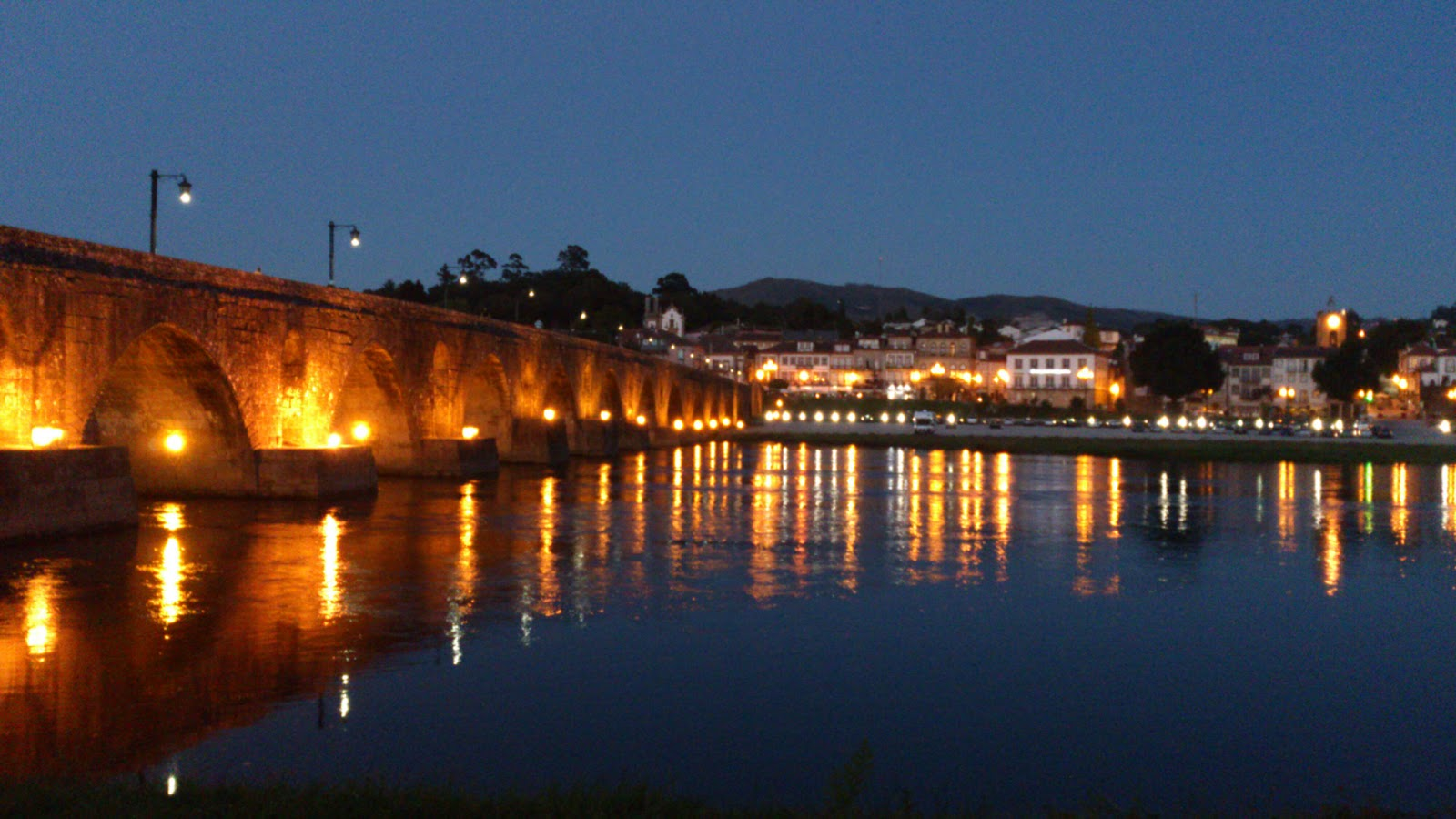
Sorry guys, there is literally zero information available online for this wine. But check out the town it comes from! Ponte= Bridge Lima= a river. It’s the bridge over the river Lima, the second most northern river in Portugal (the most northern is Minho, which is the border with Galicia).  

Thursday, May 18, 2017

New Cocktails: Jamaica Farewell, Counterfeit Collins, Ferdinand's Flowers

NEW COCKTAILS 5/16/2017

86: Angel 75, Negroni Sbagliato; both can still be made!


Jamaica Farewell $12
2 oz Amaro di Angostura
.5 oz Orgeat
.75 oz lime
.25 oz Averna
Shake.  Dbl strain over ice to rox glass.  Cocktail parasol

This cocktail is a play on the Trinidad Sour, invented by Giuseppe Gonzalez in New York.  The Trinidad Sour is an odd duck as it’s primary spirit base is actually Angostura Bitters (yes, those puppies are alcoholic, clocking in at 100 proof).  From there, the classic citrus and sweet combination of a sour holds, with the use of orgeat to create the creamy, soft texture associated with the egg whites in traditional sours.  Orgeat itself is an almond and orange blossom syrup found in a variety of classic tiki drinks.  We make ours here in house from real almond milk.  Please be aware of that allergen existing on our back bar!  Angostura recently released an amaro to the market, which we are using instead of the bitters because it captures the same flavors of the bitters with some darker, richer tones.  The final cocktail is dry, richly textured, with a hint of limes and cherries for an awesome patio cocktail.  The name is the title of a song by Harry Belafonte, dubbed the “King of Calypso.”  He was instrumental in popularizing Calypso and Caribbean music in the US in the 1950’s.


Counterfeit Collins $10
2 oz White Vermouth (8 oz)
1 oz Benedictine  (4 oz )
.5 oz lemon (2 oz)
3 dash Orange Bitters (10 dash)
1 dash Hopped Grapefruit Bitters (3 dash)
Soda.

This little gem originated as a Chrysanthemum: a classic cocktail made with white vermouth and Benedictine, martini style.  I thought it sounded delicious, tried it with our white vermouth, and it just didn’t work texturally.  So I added a little citrus to brighten it up, some bitters for a bit of depth, And a splash of soda.  And realized I made a collins-style cocktail that isn’t a collins.  It’s a counterfeit.  Note that in the large format, the amount of bitters added to a pitcher is not proportional to the scaling up of the rest of the ingredients.  This is because bitters tend to intensify as you add them.  If you put the full amount in a large format, they’ll take over and smother the rest of your flavors.


Ferdinand’s Flowers $12
2 oz Pisco
1 oz Fino Sherry
.5 oz Green Tea Oleo Saccharum
.5 oz Lemon juice
Shake.  Double strain, coupe.  No garnish.

We brought PIsco onto the back bar due to popular request amongst our bartenders.  Pisco, for those of you unfamiliar with it, is a grape brandy native to Peru.  It has some briny, funky aromatics, and a fruity yet dry core.  The rest of the cocktail was inspired by capturing the bright, leafy quality of spring.  Fino sherry adds great depth to cocktails.  Oleo saccharum is a traditional base for punches; some experts argue that without oleo, whatever large thing you’re making is not a punch.  It means “oiled sugar,” and you make it by extracting all of the citrus essence from the peels of citrus fruit (orange and lemon, in our case) into sugar.  We then take that intensely aromatized sugar and turn it into syrup by adding a double-strength green tea. Our powers combine, and you have a lovely, floral, leafy, spring concoction.  We have ingredients from Spain, Peru, and Japan, so the name is a nod to Ferdinand Magellan.  It’s also a nod to Ferdinand the Bull, because all I want to do is just sit and smell this cocktail, much like he wanted to sit and sniff the flowers in the bullfighting ring.